
In the demanding rhythm of modern life, especially for busy professionals, it’s easy to overlook subtle shifts in our health. High blood pressure, or hypertension, often goes unnoticed, particularly in younger adults who might assume they’re immune. The reality? This common condition doesn’t discriminate by age and can quietly pave the way for serious health complications if left unchecked. Many young professionals juggle intense careers, family commitments, and social lives, pushing personal well-being to the back burner.
You might feel fine. You might even exercise regularly. But without regular, personalized check-ups, you could be missing critical warning signs. The focus on proactive health management is precisely why Redcross Concierge emphasizes a deep, caring doctor-patient relationship. We believe in understanding your life, your stresses, and your unique health profile to catch issues like elevated blood pressure before they become more serious, as we detail in our approach to Heart Disease Prevention.
What is the silent killer blood pressure?
High blood pressure is often dubbed the “silent killer” because it typically presents with no noticeable symptoms, even when readings reach dangerously high levels. This lack of symptoms means many individuals, including young professionals, may have the condition for years without knowing, silently damaging their cardiovascular system. Regular monitoring is essential to detect it early.
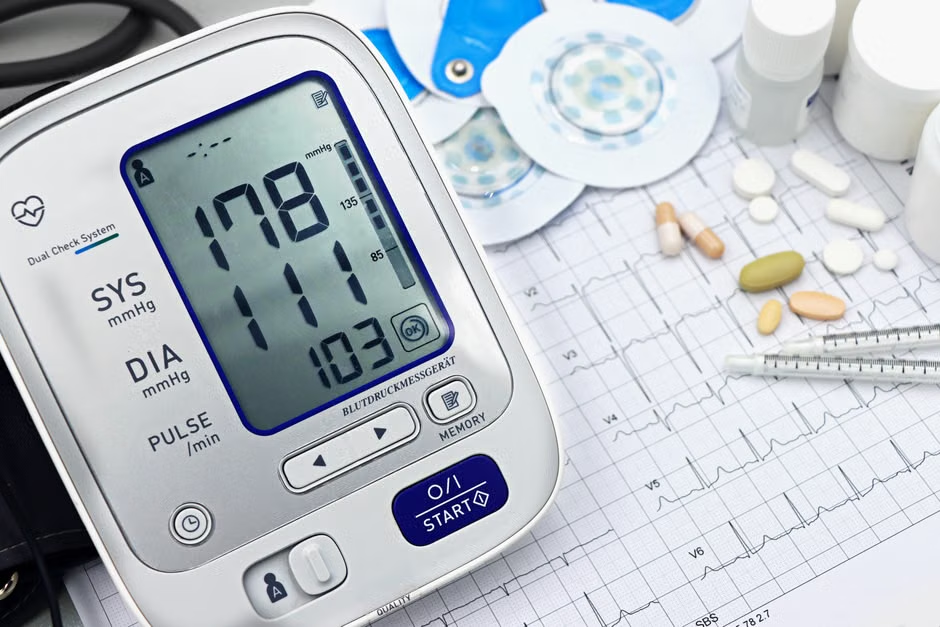
Blood pressure measures the force of your blood pushing against the walls of your arteries. It’s recorded as two numbers: systolic pressure (the top number), which is the pressure when your heart beats, and diastolic pressure (the bottom number), which is the pressure when your heart rests between beats. Normal blood pressure is usually considered less than 120/80 mm Hg. Sustained readings of 130/80 mm Hg or higher are generally classified as hypertension. Ignoring these numbers allows the condition to silently wear down your body’s most vital systems.
“High blood pressure usually has no signs or symptoms. Because of this, many people don’t know they have it. That’s why it’s important to have your blood pressure checked regularly.”
Does high blood pressure have obvious early warning signs?
For most people, high blood pressure doesn’t have obvious early warning signs, which is why it’s so insidious. However, in rare cases or when blood pressure spikes extremely high (a hypertensive crisis), some individuals might experience subtle indicators. These can include headaches, shortness of breath, or nosebleeds, but these symptoms are often vague and could point to many less serious conditions.
When high blood pressure does manifest with symptoms, it typically means the condition has reached a severe stage or is causing damage to target organs. These aren’t usually “early” signs but rather indicators of a more advanced problem. We’ve seen in our practice how easy it is for busy individuals to dismiss a persistent headache or fatigue as merely stress-related. This is why regular, unhurried check-ups with a physician who truly knows your history are invaluable.
What are the symptoms of high blood pressure in the early 20s?
For young adults in their early 20s, high blood pressure symptoms are almost non-existent in its early stages. If symptoms do appear, they’re typically non-specific and might include dull headaches, dizzy spells, or a more frequent nosebleed. It’s crucial not to rely on these mild, often overlooked signs, but rather on objective measurements taken during a medical examination.
The younger generation isn’t immune to hypertension. Factors like sedentary lifestyles, poor diet, stress, and even certain medications can contribute to rising blood pressure in younger adults. A family history of high blood pressure also plays a significant role. These early years are vital for establishing healthy habits and a baseline for your health, making proactive medical oversight essential. Dr. Kenneth Redcross, with over 20 years of experience, emphasizes that recognizing risk factors early can prevent a lifetime of complications.
What causes high blood pressure in young adults?
High blood pressure in young adults often stems from a combination of lifestyle factors and genetic predispositions. Common culprits include diets high in sodium and processed foods, insufficient physical activity, excessive alcohol consumption, and chronic stress. Certain medical conditions, such as kidney disease or sleep apnea, and even some medications can also elevate blood pressure in younger individuals.
While primary (essential) hypertension, without an identifiable cause, is common across all ages, young adults may also be more susceptible to secondary hypertension, which has an underlying medical cause. We find that a concierge medical approach allows us the time to thoroughly investigate these potential secondary causes, ranging from thyroid issues to structural problems with the arteries, ensuring no stone is left unturned. This deep dive into your unique health landscape is a hallmark of personalized care.
What to look for: Potential warning signs and risk factors
While direct symptoms are rare, certain risk factors should prompt young professionals to seek regular blood pressure checks. Being aware of these can empower you to take proactive steps:
- Family History: If parents or close relatives have hypertension, your risk increases significantly.
- Unhealthy Diet: Regular consumption of processed foods, high sodium, and saturated fats contributes to arterial stiffness.
- Sedentary Lifestyle: Lack of regular physical activity raises blood pressure. Exercise helps keep arteries flexible.
- Excessive Alcohol or Caffeine Intake: Both can temporarily raise blood pressure and contribute to long-term hypertension.
- Chronic Stress: Constant high-pressure work or personal situations can elevate blood pressure over time.
- Obesity/Overweight: Carrying excess weight forces the heart to work harder, increasing pressure on artery walls.
- Smoking: Nicotine constricts blood vessels, hardening arteries and raising blood pressure.
- Sleep Apnea: This condition, where breathing repeatedly stops and starts during sleep, can cause spikes in blood pressure.
How high blood pressure silently impacts your health
Sustained high blood pressure forces your heart to work harder, leading to thickened and stiffened arteries. This increased strain on blood vessels throughout the body can lead to a cascade of problems, damaging organs without immediate external signs. Over time, it raises the risk of heart attack, stroke, kidney disease, and vision problems.
The consistent pressure weakens blood vessel walls, making them more prone to blockages or ruptures. This is particularly concerning for vital organs like the brain and kidneys. The insidious nature of hypertension means that by the time you feel symptoms like chest pain or vision changes, significant damage may have already occurred. This is why our model of care focuses on early detection and prevention, ensuring that these silent threats are identified and addressed long before they escalate. We often coordinate with specialists to ensure comprehensive care when complications are detected, lightening the burden on our patients.
“The higher your blood pressure and the longer it goes uncontrolled, the greater the damage. Untreated high blood pressure can lead to chronic health problems, including heart attack, stroke, and kidney failure.”
Navigating high blood pressure: Your personalized approach
Discovering you have high blood pressure can be daunting, but it’s far from a dead end. Instead, it’s a clear signal to prioritize your health with a proactive strategy. For many young professionals, simply being aware and making thoughtful lifestyle adjustments can make a profound difference. Sometimes, however, lifestyle changes alone aren’t enough, and medical intervention becomes necessary.
Our concierge practice is built around providing a customized approach to care. We don’t just hand you a prescription and send you on your way. We partner with you. This involves in-depth discussions about your daily habits, stress levels, and personal health goals. We explore everything from dietary patterns and exercise routines to sleep quality and stress management techniques. While medication may be part of the solution for some, it’s always part of a broader, personalized health plan.
For those needing more focused support, alternatives like stress reduction therapies, guided nutrition planning, or even working with a personal trainer can complement medical guidance. We also offer integrative and homeopathic treatment options, always carefully evaluated for their efficacy and safety in your unique health context. This holistic view ensures we’re addressing not just the numbers, but the whole person.
What to expect from managing your blood pressure
Managing high blood pressure is a journey, not a quick fix. You can expect to see initial improvements within weeks of starting lifestyle changes or medication, but consistent, long-term effort is key. Regular monitoring, dietary adjustments, increased physical activity, and stress management are all part of an ongoing commitment.
In our practice, we aim for sustained results. You’ll likely have frequent check-ins initially to ensure your blood pressure is responding well to interventions. Over time, these check-ins might become less frequent, but the direct access to your physician remains constant. We focus on educating you about your condition, empowering you to understand your blood pressure chart, and helping you interpret readings from a home blood pressure monitor. It’s about building a robust foundation for lasting health, not just lowering a number temporarily.
Practical tips for managing blood pressure as a young professional
Maintaining optimal blood pressure in a busy, demanding life requires intention. Here are some actionable steps you can integrate into your routine:
- Regular Monitoring: Get your blood pressure checked regularly, both at your physician’s office and with a reliable home blood pressure machine. Keep a log. This data helps us understand your trends.
- Prioritize Movement: Incorporate at least 30 minutes of moderate-intensity exercise most days of the week. Even brisk walks during lunch breaks or after work make a difference.
- Mindful Eating: Focus on a diet rich in fruits, vegetables, whole grains, and lean proteins. Limit processed foods, excessive sodium, and added sugars. We can help you with personalized dietary guidance.
- Manage Stress: High-pressure careers often come with stress. Practice stress-reduction techniques like meditation, deep breathing exercises, or spending time in nature.
- Limit Alcohol & Caffeine: Moderate your intake. Too much can elevate blood pressure and disrupt sleep, a crucial factor in overall health.
- Quality Sleep: Aim for 7-9 hours of quality sleep each night. Poor sleep can negatively impact blood pressure and increase stress hormones.
Early detection and proactive management of high blood pressure are cornerstones of lasting wellness, especially for young professionals navigating demanding schedules. Don’t wait for symptoms to appear; often, by then, the “silent killer” has already started its work. With Redcross Concierge, you gain direct access to trusted care, a physician who understands your unique lifestyle, and a customized approach to maintaining your health. We invite you to explore our Menu of Services to see how personalized health planning and 24/7 physician availability can offer you the peace of mind and proactive health management you deserve.