

Concerns about high cholesterol often lead to a single conversation: statins. For many, these medications are life-saving, drastically reducing cardiovascular risk. Yet, we understand that for others, the prospect of lifelong medication, potential side effects, or a desire for more natural approaches can be a source of unease. You’re not alone in seeking alternatives or complementary strategies to maintain optimal cholesterol levels. There’s a growing awareness that a nuanced, personalized approach to heart health can offer powerful benefits beyond a prescription pad.
At Redcross Concierge, we believe in a medical model where your unique needs and preferences guide your care. Our focus isn’t just on managing symptoms, but on understanding the root causes and empowering you with proactive solutions. We offer a direct-access, personalized healthcare experience, taking the time to explore all avenues for your well-being. This includes a deep dive into lifestyle, diet, and a range of pharmaceutical and non-pharmaceutical options to optimize your cholesterol and overall cardiovascular health, as we discuss in our overview of concierge medical services.
Understanding Cholesterol: The Foundation of Heart Health
Cholesterol often gets a bad rap, but it’s actually vital for your body. This waxy, fat-like substance is present in every cell, essential for making hormones, vitamin D, and substances that help you digest food. The issue arises when levels of certain types of cholesterol become imbalanced. We primarily talk about two types: low-density lipoprotein (LDL) and high-density lipoprotein (HDL).
LDL cholesterol, often called “bad” cholesterol, contributes to fatty buildups in your arteries (atherosclerosis), narrowing them and increasing your risk of heart attack and stroke. High levels are a major concern for cardiovascular disease. HDL, or “good” cholesterol, helps remove excess cholesterol from your arteries, transporting it back to the liver for removal from the body. It plays a protective role. Keeping these levels in a healthy balance is key to preventing serious cardiovascular events, as detailed by the Centers for Disease Control and Prevention (CDC).
Why Have Americans Turned Away From Statin Drugs?
Many patients are seeking alternatives to statins for various reasons. While undeniably effective for many, statins can come with side effects that impact quality of life. Common complaints include muscle pain (myalgia), digestive issues, and in rarer cases, liver damage or an increased risk of type 2 diabetes. For some, these side effects are simply intolerable. Others may have medical conditions that preclude statin use, or they might prefer to explore lifestyle interventions first, believing in the power of natural approaches to mitigate health risks.
In our practice, we’ve found that open discussions about these concerns are critical. A patient’s comfort and adherence to a treatment plan are paramount. When individuals feel heard and understood, they’re more likely to engage fully in their health journey. This focus on the whole patient is a cornerstone of our philosophy at Redcross Concierge, where we develop personalized risk assessments for heart disease prevention.
What Works Naturally Best Instead of Statins?
When it comes to managing cholesterol naturally, lifestyle is a powerful tool. Diet and exercise form the bedrock of any cholesterol optimization plan. We often emphasize a whole-food, plant-forward eating pattern rich in soluble fiber and healthy fats, alongside regular physical activity.
“Lifestyle changes, including a heart-healthy diet and regular physical activity, are the first-line treatment for high cholesterol and can be as effective as some medications in lowering LDL levels.”
Practical Tips for Natural Cholesterol Optimization
Incorporating these practical tips into your daily routine can make a significant difference in your cholesterol levels:
- Embrace Soluble Fiber: Found in oats, barley, apples, citrus fruits, beans, and peas. Soluble fiber binds to cholesterol in your digestive system, preventing its absorption.
- Boost Omega-3 Fatty Acids: Fatty fish like salmon, mackerel, and sardines are rich in omega-3s, which can reduce triglycerides and may modestly raise HDL cholesterol. Flaxseeds, chia seeds, and walnuts are also good sources.
- Limit Saturated and Trans Fats: These are the biggest dietary culprits for raising LDL cholesterol. Minimize red meat, full-fat dairy, fried foods, and processed snacks.
- Exercise Regularly: Aim for at least 150 minutes of moderate-intensity aerobic exercise or 75 minutes of vigorous-intensity exercise per week. Even brisk walking helps. Regular activity can raise HDL and lower LDL.
- Maintain a Healthy Weight: Losing even a few pounds can significantly improve cholesterol levels, especially if you carry excess weight around your abdomen.
- Quit Smoking: Smoking damages blood vessel walls, making them more susceptible to fatty deposits. Quitting can improve HDL levels and reduce overall cardiovascular risk.
What Is the Best Non-Statin Drug for Cholesterol?
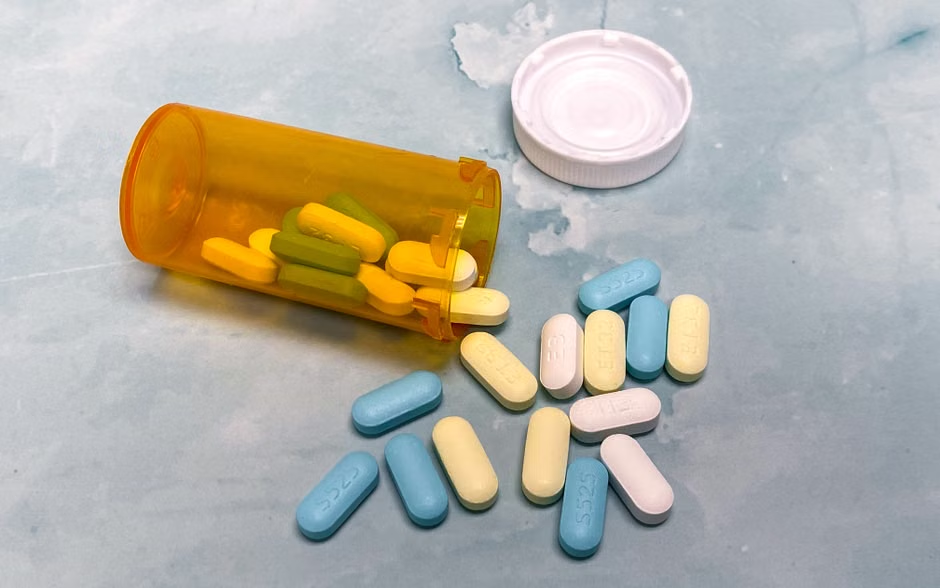
For those who can’t tolerate statins or need additional support beyond lifestyle changes, several non-statin medications are available. These drugs work through different mechanisms to lower LDL cholesterol or improve other lipid levels.
- Ezetimibe: This medication works by blocking the absorption of cholesterol in the small intestine, lowering LDL cholesterol. It’s often prescribed in combination with a statin or alone for those who can’t take statins.
- PCSK9 Inhibitors: These are powerful injectable drugs (e.g., alirocumab, evolocumab) that significantly lower LDL cholesterol by deactivating a protein called PCSK9, which normally destroys LDL receptors in the liver. They are typically reserved for individuals with very high LDL, familial hypercholesterolemia, or those with existing heart disease who can’t reach their target LDL with statins alone.
- Bile Acid Sequestrants: These older drugs (e.g., cholestyramine, colestipol) work by binding to bile acids in the intestine, forcing the liver to use more cholesterol to make new bile acids, thereby lowering blood cholesterol.
- Fibrates: Primarily used to lower high triglyceride levels and can modestly increase HDL cholesterol. They are less effective at lowering LDL.
- Nicotinic Acid (Niacin): Can lower LDL and triglycerides and raise HDL, but it often causes uncomfortable flushing and other side effects, limiting its use.
The “best” non-statin drug depends entirely on an individual’s specific lipid profile, medical history, tolerance, and overall cardiovascular risk. It requires a detailed discussion with your physician. Our board-certified providers emphasize a customized approach to care, ensuring you understand all your options and helping you choose the path best suited for your health.
Who is a Candidate for Non-Statin Alternatives?
Not everyone needs a statin, and not everyone who needs a statin can tolerate one. Individuals who might explore non-statin alternatives include:
- Those with mild to moderate elevations in LDL cholesterol who are committed to intensive lifestyle modifications.
- Patients who experience significant, intolerable side effects from statins.
- Individuals with certain genetic conditions, like familial hypercholesterolemia, who may need additional LDL-lowering therapies beyond statins.
- Those prioritizing a ‘natural’ approach for as long as their risk profile allows.
However, it’s crucial to understand that for many individuals with established cardiovascular disease or very high risk factors, statins remain the cornerstone of treatment due to their proven ability to reduce heart attacks, strokes, and death. Dr. Kenneth Redcross often reminds us that while exploring alternatives is important, balancing risk and benefit with professional guidance is paramount. We also focus on conditions that can indirectly impact cardiovascular health, such as high blood pressure in young professionals, ensuring a holistic view of your well-being.
What to Expect: Realistic Timelines for Cholesterol Optimization
When you embark on a plan to optimize your cholesterol, whether through lifestyle changes or non-statin medications, patience is key. Dietary and exercise changes often begin to show results within 3-6 months. We typically recommend re-evaluating blood lipid panels at this point to assess progress and make any necessary adjustments. Significant, sustained changes take time and consistency.
For medications like ezetimibe, changes in LDL can often be seen within a few weeks. PCSK9 inhibitors can lower LDL quite rapidly, sometimes within days. However, the ultimate goal isn’t just a number on a lab report, but a reduced risk of cardiovascular events over the long term. This sustained effort and regular monitoring are why a caring, trusting relationship with your physician is so valuable. We work alongside you, providing ongoing support and adjustments to your customized approach to care.
Optimizing your cholesterol isn’t a one-size-fits-all endeavor. It’s a journey that requires personalized attention, informed choices, and ongoing support. Whether you’re exploring alternatives to statins, seeking to minimize medication, or simply aiming for better overall heart health, Redcross Concierge offers a direct-access, wellness-focused partnership. We dedicate time to truly understand your health profile, lifestyle, and goals, crafting a plan that fits your life and helps you thrive. We invite you to learn more about how our concierge model can support your unique health needs by reviewing our menu of services.